



Spazzola per i piatti
Pulisci i tuoi piatti senza inquinare il nostro pianeta. Zero plastica dannosa e inutile, solo bambù, setole in cocco e acciaio inossidabile.


Lavare i piatti è una necessità per praticamente chiunque. Lo facciamo tutti i giorni per pulire pentole, padelle, posate, piatti e quant'altro usiamo in cucina. È un compito così comune che è facile dimenticare il tipo di impatto ambientale che porta con sé.
Il problema con le comuni spazzole per piatti
Le spazzole per piatti convenzionali sono generalmente realizzate in plastica e impiegano secoli per degradarsi. Anche le spugne contengono plastica e non sono né riciclabili né biodegradabili.
Quando lavi i piatti, le spugne e le spazzole diffondono microplastiche nel sistema fognario e persino negli oggetti da cucina che usi tutti i giorni. Ciò è ovviamente causa di danni ambientali, tra cui l'inquinamento da plastica.
Porta anche all'ingestione umana delle particelle sintetiche che vengono dismesse nell’acqua e nei piatti che utilizzi.
Lavaggio senza sprechi
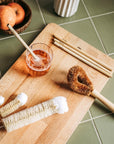
Fortunatamente, esistono set di spazzole per piatti ecologici con cui poter lavare i piatti senza inquinare l’ambiente. Ti basterà cambiare la tua attuale spazzola con un’alternativa ecologica e naturale, senza setole in nylon. Per la spugna, invece, puoi optare per una spugna naturale o un raschietto per padelle in legno.
La spazzola in setole in cocco
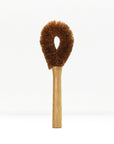
La spazzola per i piatti è composta da un manico in legno di betulla, setole in cocco e acciaio inossidabile. Ha una testa piegata a forma rotonda, progettata per raggiungere facilmente tutte le aree. L'elevata densità delle setole garantisce una pulizia accurata grazie alle setole in cocco. Il manico in betulla, inoltre, ha una forma ergonomica per una presa salda e confortevole.
Adatto per padelle, pentole e fornelli
Cosa si ottiene:
- 1 Spazzola con setole in cocco
|
Fibra di coccoFibra naturale estratta dal guscio o dal bozzolo esterno del guscio di noce di cocco. Composta dal 45% di legno, rende le setole solide e resistenti. Inoltre, la sottigliezza della fibra assicura un lavaggio senza graffi. Acciaio inossidabile 304L'acciaio inossidabile è resistente alla corrosione. Inoltre, è uno dei materiali più riciclati al mondo, persino più di carta e vetro. Il 60% della nuova produzione di acciaio inossidabile proviene da materiale riciclato. BambùIl bambù è un pianta a crescita rapida, ideale per creare i manici biodegradabili della spazzola. |

Are coconut bristle dish brushes effective at removing grease and stuck-on food?
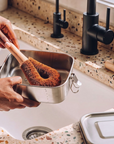
Yes. The coconut bristles on this plastic-free dish brush tackle hard-to-remove residue like baked-on food, grease, and stuck-on stains. The high-density bristles and bent round-shaped head reach corners, jar bases, and pan edges that sponges often miss, making it one of the most effective eco-friendly dish brushes available.
How often should you replace a reusable dish brush?
A Bambaw reusable dish brush typically lasts 2 to 4 months, depending on how often you use it and how well you care for it. Replace the brush once the coconut bristles start to look worn or frayed, at that point, they no longer clean effectively.
What is the best way to clean and maintain a bamboo dish brush?
Rinse the coconut bristles thoroughly after every wash and shake out excess water. For a deeper clean, soak the brush for 15 minutes in a solution of warm water and vinegar or mild soap. Avoid putting it in the dishwasher or submerging it in boiling water, as heat can damage the bamboo handle.
Can I use a bamboo brush on cast iron, stainless steel, or non-stick pans? Will it scratch?
Yes! This plastic-free dish brush works well on most kitchen surfaces, including stainless steel, cast iron, ceramic, and glass. It handles stuck-on food and grease with ease. For non-stick pans, use a gentler sponge or soft brush, as the coconut bristles can scratch the non-stick coating.
How should you store a reusable dish brush to keep it lasting longer?
Store the brush with the bristles facing down or hang it on a hook, so water drains away from the bamboo handle and coconut bristles. Avoid leaving it in a wet sink or pooled water for long periods, this can cause the bamboo to absorb moisture and eventually mould.
Is this bamboo dish brush genuinely plastic-free?
Yes. The brush is made entirely from natural materials: a bamboo handle, coconut bristles, and a 304 stainless-steel core. There is no plastic in the product, making it a true zero-waste swap for conventional plastic dish brushes and sponges.
What materials is this plastic-free dish brush made from?
It's composed of three natural materials:
- Bamboo handle: biodegradable, sturdy, and naturally fast-growing
- Coconut bristles: extracted from the coconut shell's outer husk, composed of 45% wood for firmness and durability
- 304 stainless steel: corrosion-proof and made from 60% recycled material
Why should you switch from a plastic dish brush to a reusable one?
A reusable dish brush replaces single-use plastic brushes and sponges that shed microplastics into your sink, your dishes, and eventually the environment. It's a simple zero-waste swap that keeps plastic out of your kitchen and out of landfill.